
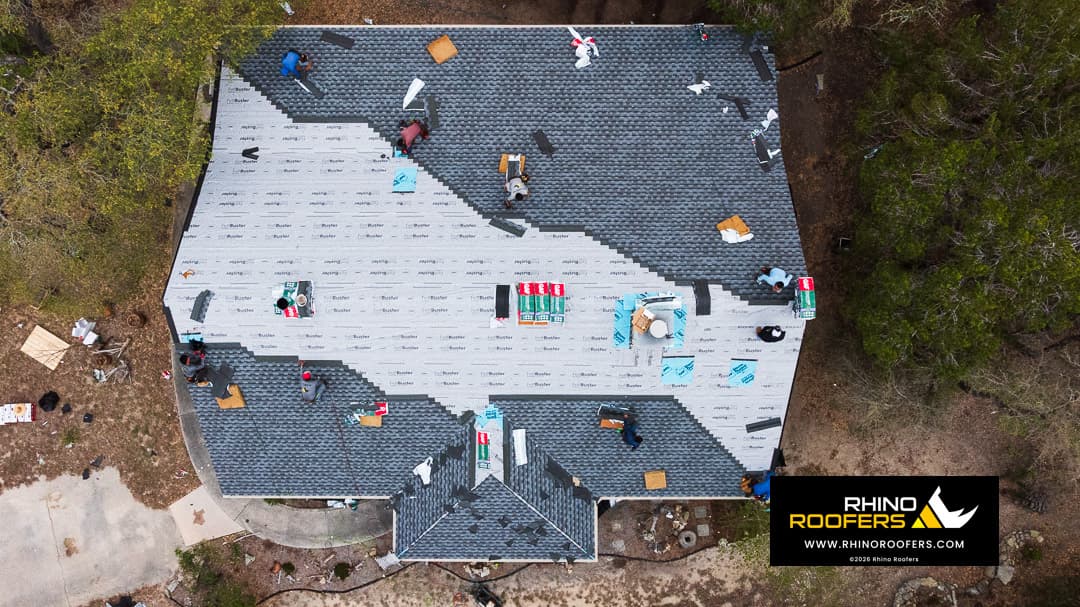
How much does a roof replacement cost with a roofing contractor in Austin, TX?
Roof Replacement
By David Villarreal, Rhino Roofers
Replacing a roof is a significant investment for homeowners in Austin, TX, where climate and building regulations affect costs. Understanding typical expenses helps homeowners make informed decisions and prepare financially for this essential home improvement. This article explains what drives roof replacement costs in Austin, presents average price ranges homeowners can expect, and outlines factors that influence those rates. It also reviews financing options available to assist with affording a new roof.
Homeowners often face decisions about materials, local regulations, and contractor pricing. This guide presents average costs, the impact of materials and climate, and how experienced roofing contractors like Rhino Roofers can guide the process. Readers gain a clear approach to planning a roof replacement with confidence and awareness of the financial landscape.
Key Takeaways
- Roof replacement costs in Austin typically range from $7,000 to $12,000 for an average single-family home.
- Material choice, roof size, complexity, and local building codes significantly influence roof replacement pricing.
- Common roofing materials include asphalt shingles, metal roofing, and tile, each varying in cost and durability.
- Austin’s climate requires durable, energy-efficient roofing materials to withstand heat and storms effectively.
- Financing options such as home equity loans, personal loans, and contractor plans help manage roof replacement expenses.
- Certified contractors like Rhino Roofers provide detailed inspections, transparent estimates, and warranty coverage for roof replacements.
- Typical residential roof replacement projects in Austin take between 1 to 3 days, depending on complexity and materials.
- Energy-efficient roofing materials may increase upfront costs but offer long-term savings through reduced cooling expenses.
- Customer testimonials highlight the importance of transparent pricing and professional workmanship in roofing services.
Average Costs
When planning a roof replacement in Austin, anticipate costs that vary with home size and materials. For an average single-family home, expect $7,000 to $12,000.
Cost per square foot ranges from approximately $3.00 to $7.00 depending on materials and labor. Obtain precise estimates from certified roofing contractors and schedule a free roof inspection to assess existing conditions. Rhino Roofers provides professional evaluations that clarify the factors driving project costs.
Factors Influencing Pricing
Numerous factors affect roof replacement pricing in Austin. The most critical elements include:
- Roof Size: Larger roofs incur higher costs due to increased materials and labor.
- Complexity: Multiple levels, steep slopes, or intricate designs raise labor requirements and costs.
- Material Selection: Materials—such as asphalt shingles, metal roofing, and tile—vary significantly in price and longevity, influencing total project cost.
- Local Codes and Regulations: Compliance with Austin building codes can dictate materials and methods, affecting pricing.
Awareness of these factors enables homeowners to set realistic budgets and select appropriate materials for their projects.
Financing Options
The cost of a roof replacement often presents financial challenges. Various financing options help homeowners manage these expenses:
- Home Equity Loans: Homeowners can leverage home equity to fund replacements, often at lower interest rates than unsecured credit.
- Personal Loans: Unsecured personal loans provide funds for a roof replacement, though interest rates are typically higher.
- Roofing Contractor Financing Plans: Some contractors, like Rhino Roofers, offer financing solutions that allow manageable monthly payments.
Evaluating these options helps homeowners select a financing solution that fits their needs and allows the project to proceed without delay.
What Factors Influence Roof Replacement Costs in Austin, TX?
Several elements determine roof replacement costs in Austin. Home size, roofing complexity, and material choice all influence final pricing. Seasonal weather conditions can introduce additional expenses and affect scheduling.
Schedule a consultation with a certified contractor to obtain an on-site assessment and accurate pricing for your specific property.
How Do Roofing Materials Affect the Overall Pricing?
Material choice is a primary driver of overall roof replacement price. Common options in Austin include:
- Asphalt Shingles: Affordable and common, typically costing around $90 to $120 per square.
- Metal Roofing: Durable and energy-efficient, ranging from $250 to $350 per square.
- Tile Roofing: Long-lasting but higher cost, typically $600 to $1,200 per square.
Material selection substantially affects installation cost, durability, and long-term maintenance; homeowners should evaluate these trade-offs when selecting roofing products.
What Role Does Austin’s Climate Play in Roof Replacement Expenses?
Austin’s hot and sometimes severe weather influences roof replacement decisions. Intense sunlight and periodic storms require durable, energy-efficient materials that resist UV exposure and storm damage. Homeowners often prioritise materials that reduce cooling loads.
Contractors account for potential weather-related damage when preparing estimates, which can affect overall pricing. Understanding these climate factors supports material selection tailored to local conditions.
What Are the Average Roof Replacement Prices in Central Texas?
Average roof replacement prices in Central Texas commonly range from $7,000 to $12,000, with material choice and roof complexity as primary variables. Obtain multiple estimates to establish competitive pricing that reflects fair market value.
Recognizing regional variations helps homeowners anticipate locality-specific costs and budget accordingly for their projects.
How Do Residential and Commercial Roof Replacement Costs Compare?
Residential roofing projects typically incur lower costs due to smaller scales, while commercial roofs require larger material volumes and labour, resulting in higher expenses. Commercial replacements commonly range from $10,000 to $40,000 depending on size and material.
Commercial projects often involve flat roofing systems and greater load-bearing requirements, which influence pricing. Discuss project specifics with potential contractors in Austin, TX to understand associated costs and expectations.
Which Roofing Contractor Rates Should Austin Clients Expect?
Contractor rates vary according to experience, reputation, and scope of work. Average labour costs range from $150 to $300 per square, depending on job complexity and contractor expertise.
Clients should evaluate both cost and quality. Engaging certified professionals such as Rhino Roofers provides competitive pricing, expert workmanship, and dependable customer service, reinforcing confidence throughout the replacement process.
How Does Rhino Roofers Estimate and Structure Roof Replacement Pricing?
Rhino Roofers applies a transparent pricing approach based on thorough inspections and consultations to assess each home’s specific requirements.
Their pricing covers materials, labour, and potential unforeseen conditions, producing a detailed estimate that reflects total project costs.
What Are the Benefits of a Free Roof Inspection Before Replacement?
A free roof inspection provides several benefits for homeowners, including:
- Identifying underlying issues: Detecting leaks, rot, or structural concerns.
- Accurate estimations: Tailored assessments based on actual conditions.
- Budget planning: Insight into replacement needs and potential future repairs.
A free inspection from a professional contractor such as Rhino Roofers supplies the information homeowners need to prepare before proceeding with a roof replacement.
How Do Certifications and Warranty Options Affect Pricing and Value?
Certifications and warranty options affect both cost and long-term value. Contractors with manufacturer certifications generally command higher prices because they provide assurance of quality and workmanship.
More extensive warranties that cover materials and labour for longer periods typically increase upfront cost but deliver substantial long-term value by protecting homeowners against future repair expenses.
What Steps Are Involved in a Roof Replacement with a Certified Contractor?
Engaging a certified contractor follows a series of defined steps that lead to successful roof replacement:
- Initial Consultation: Homeowners meet with contractors to discuss needs, preferences, and project scope.
- Inspection: A thorough inspection assesses current conditions and necessary preparations.
- Estimate: Detailed pricing based on materials, labour, and timelines is presented.
- Approval and Scheduling: After client approval, work schedules are arranged.
- Installation: Professionals execute the planned installation with attention to detail.
- Final Inspection: A final review ensures quality and satisfaction with the completed work.
Understanding these steps helps homeowners navigate the process efficiently and benefit from clear communication and planning.
What Is the Typical Project Timeline for Roof Installation in Austin and San Antonio?
Project timelines vary by scale and complexity. Standard residential roof replacements typically require 1 to 3 days; larger or intricate installations can extend to 5–10 days, depending on material selection, weather, and crew size.
Scheduling consultations and working with experienced contractors like Rhino Roofers enables homeowners to plan realistic deadlines and maintain smooth project flow.
How Are Materials Sourced Locally From Owens Corning and GAF?
Contractors in Austin commonly source materials from reputable manufacturers such as Owens Corning and GAF. Local sourcing supports regional suppliers and ensures products suited to local climate conditions.
Manufacturers typically provide warranties and supplier support, which strengthens homeowner confidence in their material selections. Partnering with a certified contractor that works with these brands helps guarantee high-quality materials for each installation.
How Can Austin Homeowners and Businesses Finance Their Roof Replacement?
Financing options for roof replacements include a variety of plans to fit different budgets:
- Deferred Payment Plans: Contractor plans that allow payments to be deferred until after project completion.
- Loans: Bank and lender products designed for home improvements.
- Government Programs: Local and state programmes that provide funding assistance to qualified homeowners or businesses.
Exploring these financing avenues enables Austin homeowners to proceed with necessary roofing work without undue financial burden.
What Warranty Coverage Options Are Available Through Rhino Roofers?
Rhino Roofers provides several warranty coverage options. When selecting materials and installation services, homeowners can expect coverage that typically includes:
- Limited Lifetime Warranty on Materials: Coverage for specific components as defined by the manufacturer.
- Workmanship Warranty: Coverage of the contractor’s installation for a defined period, commonly 5–10 years.
Reviewing warranty terms supports long-term satisfaction and financial protection, given the scale of roof replacement investments.
How Do Energy-Efficient Roofing Materials Impact Installation Costs and Savings?
Energy-efficient materials, such as reflective shingles or cool-roof systems, increase upfront cost but deliver long-term savings by reducing cooling expenses through solar reflection.
Utility providers and local programmes frequently offer rebates or incentives for energy-efficient upgrades that help offset initial costs. Consulting with knowledgeable contractors like Rhino Roofers identifies suitable energy-efficient materials that align with budget and performance goals.
What Do Customers Say About Roof Replacement Costs and Services in Austin?
Customer feedback on roofing services and costs in Austin emphasizes transparent estimates and quality workmanship. Clients report satisfaction when estimates accurately reflect project complexity.
Timely installation and professional workmanship are recurring themes in customer feedback. Prospective clients should perform research and consult multiple contractors to secure the best outcome for their projects.
Which Case Studies Demonstrate Cost Transparency and Quality Workmanship?
Case studies from Austin homeowners illustrate the benefits of transparent pricing and quality workmanship. One homeowner who compared multiple estimates found an itemised quote from Rhino Roofers clarified necessary services for a complex roof design.
Another family credited clear communication regarding materials with an efficient installation and satisfactory result. These examples underscore the value of selecting a trusted contractor for roof replacements.
How Do Client Testimonials Reinforce Rhino Roofers’ Credibility?
Client testimonials reinforce a contractor’s reputation. Many customers highlight Rhino Roofers’ commitment to quality and their technical expertise.
Testimonials commonly note a seamless replacement process, on-site professionalism, and lasting value—attributes that prospective clients seek when choosing roofing services.
Frequently Asked Questions
What types of roofing materials are best suited for Austin’s climate?
Austin’s climate requires materials that resist high heat and occasional storms. Metal roofing reflects heat and provides strong durability; asphalt shingles balance cost and useful life; tile roofing offers superior durability and energy efficiency at a higher initial cost. Consider both cost and energy performance to reduce future cooling expenses and improve long-term resilience.
How long should I expect my new roof to last?
Service life depends on material and installation quality. Asphalt shingles typically last 20–30 years; metal roofs often exceed 40 years with proper maintenance; tile roofs frequently surpass 50 years. Regular inspections and maintenance extend useful life and maintain performance in Austin’s climate.
Are there any state or local incentives for energy-efficient roofing options?
Yes. Utility providers and local programmes in Austin offer rebates and incentives for energy-efficient roofing upgrades that can offset installation costs. Federal tax credits may apply to qualifying improvements. Consult local authorities or your roofing contractor for up-to-date programme details.
What questions should I ask my roofing contractor?
Ask about experience, licensing, and proof of liability and workers’ compensation coverage. Request material recommendations, warranty terms, project timeline, and payment structure. Obtain detailed, itemised estimates that specify labour and material costs. Transparency supports informed decisions and aligned expectations.
How can I prepare my home for roof replacement?
Prepare by clearing the area around your property—move vehicles, outdoor furniture, and decorations away from the worksite. Inside, remove or cover attic items to protect against dust and debris. Ensure unobstructed access to the roof so the crew can move safely. Coordinate preparations with your contractor to facilitate an efficient installation.
What are the signs that I need a roof replacement?
Signs indicating replacement include missing or damaged shingles, sagging sections, ceiling leaks or water stains, and significant granule loss in gutters. If the roof approaches its expected lifespan for the material used, plan for replacement. Regular inspections help identify issues early and prevent extensive damage.
Conclusion
Understanding roof replacement costs in Austin enables homeowners to make informed investment decisions. By evaluating material selection, contractor transparency, and financing options, residents can proceed with confidence. Working with trusted professionals such as Rhino Roofers delivers quality workmanship aligned with local standards. Schedule a free roof inspection to begin the process.
Tags: austin, residential roofing, roofing contractor