
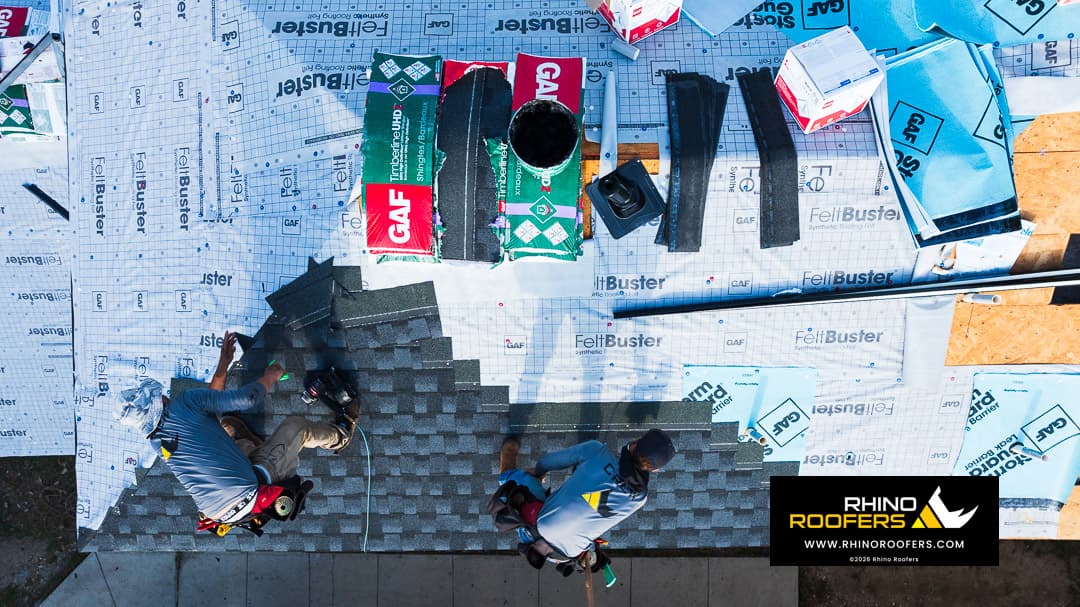
What roofing materials do Austin, TX contractors recommend for the Central Texas climate?
Roofing Tips
By David Villarreal, Rhino Roofers
Selecting appropriate roofing materials is essential for homeowners in Austin, Texas, given the region’s high heat, intense sun exposure, hail, and seasonal storms. A clear understanding of local climate conditions enables informed choices about roofing options. This article examines the materials that contractors in Austin recommend, detailing durability and performance in the Central Texas environment. Familiarity with these options helps extend service life and improve the efficiency of a roofing system.
This guide examines recommended roofing materials, including asphalt shingles, metal roofing, and tile, and explains their benefits and suitability. It also addresses energy-efficient systems and commercial roofing alternatives. Homeowners will find practical guidance to select materials that support comfort, reduce long-term costs, and preserve the structural integrity of their property.
Key Takeaways
- Metal roofing offers superior durability and energy efficiency, lasting 40 to 70 years in Central Texas climates.
- Asphalt shingles provide an affordable option with moderate heat resistance but require regular maintenance.
- Tile roofs combine exceptional longevity, lasting up to 100 years, with strong resistance to heat and hail.
- Energy-efficient roofing materials reduce cooling costs and improve indoor comfort in Austin’s hot environment.
- Commercial roofing options like TPO, EPDM, and metal panels meet durability and energy standards for local businesses.
- Certified installation practices and quality materials significantly enhance roofing system longevity and performance.
- Regular biannual inspections and prompt repairs are essential to maintain roof durability against Central Texas weather.
- Reflective coatings and sealing vulnerabilities help prevent heat and hail damage to roofing materials.
- Rhino Roofers customizes roofing solutions based on thorough inspections and local climate considerations.
Which Roofing Materials Offer Optimal Durability in Central Texas?
In Central Texas, durability is the primary consideration when selecting roofing materials because of the area’s extreme weather. Suitable options must withstand intense summer heat, high winds, and hail; metal roofing, asphalt shingles, and tile are frequently recommended by contractors in Austin.
The following comparison summarises these materials by lifespan, durability factors, cost-effectiveness, and energy performance to aid homeowner decision-making.
| Material Type | Lifespan | Durability Factors | Cost-Effectiveness | Energy Efficiency |
|---|---|---|---|---|
| Metal Roofing | 40-70 years | High hail and wind resistance, low maintenance | Medium to High | Excellent insulation |
| Asphalt Shingles | 15-30 years | Fair resistance, may require regular maintenance | Low to Medium | Moderate insulation |
| Tile Roofing | 50-100 years | Exceptional durability, heavy weight requires robust structure | High | Good insulation |
This comparison clarifies which materials align with specific performance needs and budget constraints.
How Do Asphalt Shingles Perform Under Central Texas Heat and Storms?
Asphalt shingles remain a common choice due to their affordability and widespread availability. They tolerate heat exposure, although extended extreme conditions reduce their performance. Typical lifespans range from 15 to 30 years when installed correctly and maintained regularly.
Maintenance is essential: homeowners should inspect roofs after severe weather and address wear promptly to preserve lifespan. While installation costs are lower than some alternatives, inadequate upkeep can increase replacement expenses over time.
What Are the Benefits of Metal Roofing for Hail and Heat Resistance?
Metal roofing delivers notable durability for the Central Texas climate. Key advantages include strong resistance to hail and high temperatures; properly installed systems can last 40 to 70 years, lowering long-term lifecycle costs relative to asphalt.
- Durability: Metal roofs resist high winds and incur less storm-related damage.
- Energy Efficiency: Metal reflects solar heat, reducing indoor temperatures and cooling expenses—an important benefit in Austin’s climate.
- Low Maintenance: These systems require limited upkeep, reducing ongoing operational costs.
Metal roofing is available in multiple styles and colours, enabling design flexibility while delivering resilient protection against environmental stresses.
How Do Energy-Efficient Roofs Enhance Comfort and Savings in Austin?
Energy-efficient roofing materials improve indoor comfort and lower cooling expenditures. Reflective metal systems and asphalt shingles engineered to reduce solar absorption limit heat transfer into the building envelope.
The benefits of energy-efficient roofs include:
- Reduced Cooling Costs: These roofs keep interiors cooler during hot Texas summers, decreasing air conditioning usage.
- Enhanced Comfort: Improved temperature regulation supports a more consistent indoor environment year-round.
- Longer Lifespan: Materials designed for thermal performance typically exhibit greater durability, reducing replacement frequency.
Given Austin’s climatic conditions, investing in energy-efficient roofing systems delivers measurable savings and improved occupant comfort over the long term.
Which Roofing Types Provide Superior Heat Reflection and Insulation?
Several roofing materials effectively reflect heat and provide insulation; metal roofing and certain reflective asphalt shingles are particularly effective.
- Metal Roofing: Reflective surface properties allow metal to deflect significant solar radiation, limiting heat gain.
- Asphalt Shingles with Reflective Coatings: Select shingles incorporate reflective elements suitable for hot climates.
- Tile Roofing: Clay and concrete tiles offer substantial thermal mass and insulating performance, reducing heat transmission.
Selecting roofing types based on reflective and insulating performance improves energy efficiency and interior comfort for Central Texas homes.
What Are the Best Commercial Roofing Material Options Recommended in Austin?
For commercial properties in Austin, durability and cost-effectiveness drive material selection. Recommended solutions include:
- TPO (Thermoplastic Polyolefin): Recognised for heat-reflective properties and energy performance.
- EPDM (Ethylene Propylene Diene Monomer): A durable, low-maintenance option for flat roofs.
- Metal Panels: Provide structural strength and weather resistance for larger installations.
These materials deliver robust protection suited to Central Texas conditions while supporting energy efficiency objectives for commercial buildings.
How Do Various Roofing Materials Meet Commercial Durability Standards?
Different roofing systems meet commercial durability standards designed to withstand environmental stresses. The following outlines how common materials align with those standards.
- Metal Roofing: Conforms to high durability benchmarks due to resistance to cracking, shrinkage, and erosion.
- TPO and EPDM: Offer resistance to UV exposure and temperature extremes, meeting energy and durability criteria.
- Tile Roofing: Complies with standards for hail resistance and long service life.
Familiarity with these standards helps business owners select roofing systems that satisfy regulatory expectations and deliver sustained performance.
What Certifications Guarantee Quality Installation for Commercial Roofs?
Certifications from recognised industry organisations serve as indicators of quality for roofing materials and installation. Examples include:
- GAF Verified: Confirms adherence to established installation practices.
- Owens Corning Certified: Indicates compliance with manufacturer standards from a leading supplier.
- NRCA (National Roofing Contractors Association): Membership reflects commitment to industry guidelines.
Such certifications reinforce customer confidence and indicate that installations align with local building codes and industry best practices, supporting long-term system durability.
Why Are Tile Roofs Recommended for Longevity and Style in Central Texas?
Tile roofs are selected for their longevity and aesthetic benefits. Constructed from clay or concrete, tile systems can deliver 50 to 100 years of service with appropriate maintenance.
- Longevity: Tile systems often outlast many alternative roofing types, providing long-term value.
- Aesthetic Variety: Available in multiple styles and colours, tile enhances curb appeal and complements local architecture.
- Weather Resistance: The material properties of tile offer strong insulation and resistance to hail and heat.
For homeowners prioritising durability and architectural character, tile roofing represents a strong option.
What Makes Tile Roofing Resistant to Texas Weather Conditions?
Tile roofing incorporates characteristics that address Central Texas climate challenges.
- Heat Resistance: The thermal mass of clay and concrete moderates temperature swings and reduces heat transfer into the building.
- Hail and Wind Resistance: Robust construction supports resistance to high winds and hail events common in the region.
- Low Maintenance Needs: Properly installed tile systems require limited routine upkeep, reducing long-term repair needs.
These properties enable tile roofing to perform reliably under the region’s climatic stresses.
How Do Tile Roofs Compare Cost and Maintenance-wise to Other Materials?
Several financial considerations influence the comparison between tile and alternative roofing materials:
- Initial Costs: Tile roofs typically incur higher upfront installation expenses compared with asphalt shingles.
- Maintenance Frequency: Tile requires less frequent maintenance, although individual repairs can be costlier.
- Lifecycle Value: Given their extended service life, tile systems often yield lower total costs over several decades.
Homeowners should evaluate these factors against their budget and long-term expectations to select the most appropriate option.
How Does Rhino Roofers Select and Install Roofing Materials Adapted to Austin’s Climate?
Rhino Roofers applies a methodical process to select and install roofing materials suited to Austin’s climate. The approach includes:
- Material Consideration: Evaluating resistance to heat, hail, and wind for each material.
- Installation Techniques: Employing certified methods to optimise durability and performance.
- Tailored Solutions: Rhino Roofers provides recommendations customised to property characteristics and client requirements.
This systematic approach delivers roofs designed to withstand Central Texas weather while providing long-term value.
What Certified Installation Practices Ensure Roofing Longevity?
Certified installation practices are essential to maximise roofing lifespan. Rhino Roofers highlights techniques that improve system performance and durability. Key practices include:
- Proper Adherence to Manufacturer Guidelines: Following manufacturer instructions establishes a reliable installation baseline.
- Inspection Protocols: Comprehensive inspections during installation address issues before they escalate.
- Use of Quality Materials: High-quality underlayment, flashing, and ventilation components enhance efficiency and longevity.
Consistent application of these practices supports the long-term integrity and effectiveness of roofing systems.
How Do Free Roof Inspections Inform Material Recommendations?
Free roof inspections from Rhino Roofers provide a diagnostic foundation for material selection. An inspection identifies the roof’s condition and clarifies homeowner priorities. The evaluation considers several elements:
- Identifying Damage: Assessing existing damage enables appropriate material recommendations.
- Understanding Environmental Stressors: Evaluating local climate impacts informs material selection.
- Tailored Solutions: Inspections support customised recommendations that reflect the property’s requirements.
These inspections build confidence and support evidence-based decisions by homeowners.
What Roof Maintenance Practices Optimize Durability for Central Texas Materials?
Routine maintenance is crucial to extend the service life of roofing systems in Central Texas. Recommended practices include:
- Regular Inspections: Scheduling biannual inspections detects issues early.
- Immediate Repairs: Promptly addressing damage prevents further deterioration.
- Debris Removal: Keeping roof surfaces clear of debris preserves system integrity and performance.
Adopting these practices helps homeowners preserve roof durability and effectiveness against regional environmental stresses.
Which Maintenance Tips Prevent Heat and Hail Damage?
Homeowners can reduce heat and hail damage through targeted maintenance measures:
- Inspect and Repair Flashing: Ensuring flashing is intact prevents leaks and water damage.
- Seal Vulnerabilities: Applying sealant to minor cracks limits water infiltration.
- Cool Roof Coatings: Reflective coatings reduce thermal stress and protect materials from excessive heat.
Applying these measures protects the roof and extends its service life in Central Texas conditions.
How Often Should Roof Inspections Be Scheduled for Austin Properties?
Establishing a regular inspection schedule is critical in a variable climate such as Austin’s. Recommended intervals include:
- Biannual Inspections: Schedule inspections in spring and fall to monitor roof condition.
- Post-Storm Assessments: Conduct assessments after significant weather events to identify damage.
- Annual Maintenance Check-Up: Perform a comprehensive maintenance review each year to address emerging issues.
Adhering to these intervals helps maintain roofing durability and operational efficiency so systems better resist local climate demands.
For comprehensive roofing services and expert advice tailored to Austin’s climate, contact a trusted local provider. Professional consultation provides reassurance and supports the long-term performance of your roof. Contacting a professional can provide peace of mind and ensure the longevity of your roof.
Explore Rhino Roofers for a range of solutions and technical expertise for Central Texas homeowners. Their focus on quality and local climate considerations provides a reliable resource for roofing projects.
Frequently Asked Questions
1. What roofing materials are best for energy efficiency in hot climates?
Energy-efficient roofing materials are important for maintaining indoor comfort in hot climates such as Central Texas. Metal roofing performs well because its reflective surface reduces heat gain and lowers cooling expenses. Asphalt shingles with reflective coatings can also reduce solar absorption, while tile roofs provide effective insulation that moderates indoor temperatures. Homeowners should assess these options to lower cooling costs and improve thermal performance.
2. How important is professional installation for roofing materials?
Professional installation is essential for material performance and lifespan. Certified contractors follow manufacturer specifications, which prevents installation-related problems such as leaks and premature deterioration. Experienced installers perform inspections during and after installation to detect issues early. Investing in professional installation reduces the likelihood of costly repairs over time.
3. What should homeowners look for in roofing warranties?
A comprehensive roofing warranty provides assurance regarding material defects and workmanship. Homeowners should seek coverage that includes both labour and materials with a clearly defined duration. Review the warranty’s exclusions and the procedures for submitting a warranty request. Warranties from established manufacturers typically indicate higher-quality products and strengthen long-term confidence in the investment.
4. How can I assess the current condition of my roof?
Assess roof condition with an initial visual inspection from the ground, noting missing shingles, sagging areas, or visible wear. For a detailed assessment, hire a professional to inspect the roof surface, attic ventilation, and insulation. Regular inspections after severe weather help identify issues early and preserve roof performance.
5. Are there specific considerations for roofing in hail-prone areas?
In hail-prone regions such as Central Texas, select materials with high impact resistance. Metal roofing is frequently recommended for its durability under impact. Asphalt shingles engineered with reinforced granules also offer improved protection. Timely maintenance and inspections after storms are important to address any damage and preserve system integrity.
6. What maintenance practices can prolong the life of my roof?
A disciplined maintenance programme extends roof service life. This includes biannual inspections to detect leaks, missing shingles, or debris accumulation, prompt repairs of minor issues such as cracked flashing, and routine removal of leaves and branches. These steps maintain structural integrity and performance, particularly during severe weather events.
7. How do roofing materials influence property value?
Roofing materials affect property value through their impact on durability, aesthetics, and energy efficiency. High-quality options such as tile or metal enhance curb appeal and signal a well-maintained home, which attracts buyers. Lower-cost materials can increase maintenance demands and reduce buyer confidence. Investing in durable, efficient roofing often yields a favourable return in the real estate market.
Conclusion
Selecting appropriate roofing materials is critical for homeowners in Central Texas given the region’s severe weather conditions. Metal, tile, and energy-efficient systems offer durable performance and can reduce operational energy costs. Review localised solutions and professional recommendations to protect your investment. Visit the provider’s website to explore available options and initiate steps toward a long-lasting roof that meets local climate requirements.
Tags: asphalt vs metal roof Austin, best roof for Texas heat, hail resistant roofing Texas, roofing contractor recommendations Texas, roofing materials Austin TX