
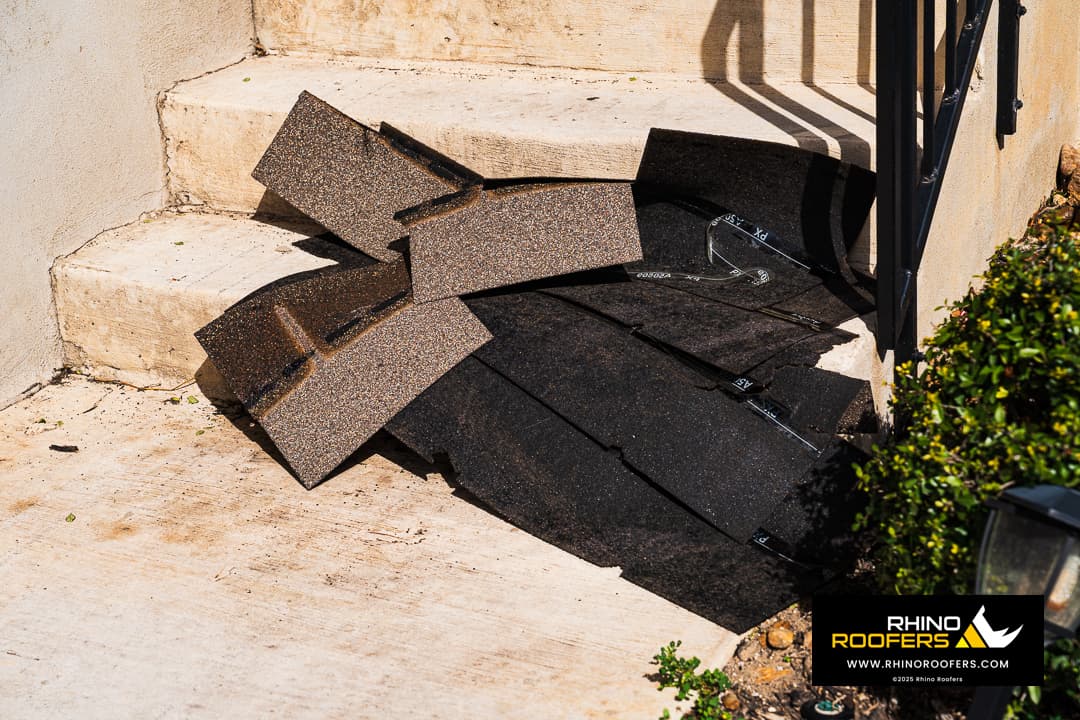
How do Austin, TX roofing contractors handle hail and storm damage repairs?
Roofing Tips
By David Villarreal, Rhino Roofers
Severe storms frequently leave Austin homeowners facing hail and wind damage to their roofs. This guide outlines the systematic process roofing contractors use to assess, document and repair both minor and major damage. It explains each phase—from the initial inspection through final follow-up—so homeowners understand required actions, typical timelines and expected outcomes. The goal is to help homeowners secure prompt, professional service that preserves property value and reduces future risk.
Key Takeaways
- Roofing contractors in Austin perform thorough initial inspections to identify visible and hidden hail and storm damage.
- Contractors provide customized repair recommendations tailored to each roof’s specific damage and characteristics.
- Clear communication between homeowners and contractors ensures transparency throughout the repair process.
- Emergency tarping and temporary repairs prevent further water damage until permanent fixes are completed.
- High-quality materials and skilled craftsmanship enhance the durability and longevity of roof repairs.
- Contractors offer guidance on ongoing roof care, including regular inspections and prompt attention to minor issues.
- Proper documentation supports homeowners in managing financial aspects related to roof repairs.
- Roof replacement options are discussed when damage is extensive or repairs are no longer cost-effective.
- Post-repair follow-up inspections confirm repair integrity and provide continued homeowner support.
Initial Inspection
The initial inspection establishes the full extent of damage. Contractors assess visible defects and inspect for concealed problems in the underlayment, flashing and structural elements. Inspectors document findings with photographs and written notes to support repair planning and any financial review that follows.
Customized Repair Recommendations
Following inspection, contractors present tailored repair plans that address the specific materials, roof slope and damage patterns. Recommendations prioritise structural integrity and long-term performance, and they identify which repairs restore warranty conditions and which warrant full replacement consideration.
Clear Communication
Professional contractors maintain regular, factual communication throughout the project. They explain findings, review proposed work and timelines, and provide written scopes and estimates. This transparency reduces uncertainty and allows homeowners to make informed decisions.
Emergency Tarping and Temporary Repairs
When immediate protection is required, contractors perform emergency tarping and temporary repairs to limit water intrusion and secondary damage. These stabilising measures protect interior finishes and allow teams to plan permanent repairs safely during the repair process.
High-Quality Materials and Craftsmanship
Contractors specify durable materials suited to the Austin climate and apply industry-standard installation methods. Quality components and certified workmanship extend the service life of repairs and improve resistance to subsequent weather events.
Guidance for Ongoing Roof Care
Contractors provide practical maintenance guidance to protect repair investments and prolong roof service life.
- Regular Inspections: Frequent evaluations can help catch potential issues early, before they escalate into significant damage.
- Prompt Action on Minor Issues: Addressing minor problems swiftly can prevent larger repairs later on.
- Documentation of Repairs: Keeping a thorough record helps in maintaining warranties and supports future home inspections.
To facilitate ongoing maintenance, Rhino Roofers offers a roof inspection service that helps homeowners remain proactive about roof condition and schedule necessary follow-up work.
Insurance Documentation
Accurate documentation is essential when pursuing financial assistance for repairs. Contractors prepare detailed reports, photographs and itemised invoices that reflect the scope of damage and the recommended work. Clear records streamline any review by a financial provider and support accurate settlement of repair costs.
Replacement Options
When damage is extensive or when long-term performance is the priority, contractors outline replacement options. They review material choices, expected service life, warranty provisions and total installed cost so homeowners can compare the long-term value of replacement versus incremental repairs.
Post-Repair Follow-Up
Reputable contractors schedule follow-up inspections to verify repair integrity and address any residual concerns. These checks confirm that installations meet specifications and provide homeowners with ongoing access to professional support from roofing contractors.
Best Practices
Implementing best practices reduces the risk of future damage and preserves roof value.
- Routine Inspections: Scheduling regular assessments to evaluate the roof’s condition.
- Educating Homeowners: Providing information on the potential signs of damage to look out for.
- Utilization of Quality Materials: Choosing superior materials for any necessary repairs to enhance resilience against future weather events.
Adherence to these measures helps extend roof life and reduces the likelihood of costly interventions later.
Frequently Asked Questions
1. How can I identify whether my roof has sustained storm damage?
Inspect the exterior for missing or damaged shingles, dents on metal components and any displaced flashing. Inside the home, check ceilings and attic spaces for new water stains or damp insulation. Many issues are subtle and require a professional evaluation to confirm the extent and location of damage.
2. What types of materials do roofing contractors typically use for repairs?
Contractors commonly match repair materials to the existing roof, using asphalt shingles, metal panels or tile as appropriate. They specify products rated for local weather and that meet manufacturer standards to preserve performance and warranty coverage.
3. What should I do if my roof needs extensive repairs or replacement?
Engage a qualified roofing contractor for a full assessment. The contractor will explain repair versus replacement trade-offs, provide cost estimates and outline warranty and maintenance implications so you can select the most cost-effective, long-term solution for your property.
4. How do I maintain my roof after repairs are completed?
Schedule inspections at least twice yearly and after major storms. Address minor defects promptly, keep drainage clear and document all work performed. Contractors typically supply maintenance checklists and can schedule routine service visits.
5. What is the process for filing for financial assistance after storm damage repairs?
Begin by compiling the contractor’s detailed documentation: inspection reports, photographs and itemised invoices. Discuss available programme requirements with your contractor so submitted materials align with the documentation standards required by providers of financial support.
6. Can roofing contractors help with warranties for new installations?
Yes. Contractors usually explain applicable manufacturer and workmanship warranties at the time of installation. They provide the necessary documentation and outline coverage terms so homeowners understand duration and exclusions.
7. What happens if problems arise after the repairs are completed?
If issues occur post-repair, contact the contractor promptly. Many firms offer warranty-backed remedies and follow-up inspections to resolve persistent problems and confirm that corrective actions restore intended performance.
Conclusion
Timely assessment and professional repairs protect a home’s structure and value after hail and storm events. Selecting experienced contractors delivers tailored repair plans, clear communication and quality workmanship. Contact our team to arrange a detailed inspection and receive recommendations that address your roof’s specific needs.
Tags: emergency roof repair Texas, hail damage roof repair Austin, insurance roof claims Austin, roofing contractor Austin Texas, storm damage roofing Austin TX