
Is It OK to Put a Second Layer of Shingles on a Roof?
Asphalt Shingle Roofing
By David Villarreal, Rhino Roofers
If your roof is showing signs of age and you’re looking for a more affordable replacement option, you may have heard about installing a second layer of shingles over an existing roof. While this practice—often called a roof overlay—can reduce upfront costs and keep old roofing materials out of the landfill, it is generally not the best long-term solution for most homeowners.
In fact, most roofing professionals recommend removing the existing roof before installing a new one. While a second layer of shingles may seem like a way to save money today, it can create additional problems, costs, and limitations down the road.
For homeowners in Central Texas, where roofs are regularly exposed to extreme heat, hail, high winds, and severe thunderstorms, a complete roof replacement is often the smarter investment.
Why Some Homeowners Consider a Second Layer of Shingles
The primary advantage of a roof overlay is cost savings.
Because the existing shingles remain in place, homeowners can avoid some of the labor and disposal costs associated with a complete tear-off. Less roofing material is sent to a landfill, and installation can often be completed more quickly.
On the surface, this can make a second layer of shingles seem like an attractive option. However, there are several important drawbacks that homeowners should understand before making a decision.
A Second Layer Adds Significant Weight to Your Roof
One of the biggest concerns with installing a second layer of shingles is the additional weight placed on the home’s structure.
Roofs are engineered to support a certain amount of weight, including roofing materials, underlayment, decking, and environmental loads such as rain and wind. Adding another layer of shingles increases the overall load on the roof system.
While a home’s structure may be able to support the additional weight, carrying thousands of extra pounds on the roof for years can place added stress on the decking, framing, and other structural components.
For older homes or roofs that have already experienced storm damage, this additional burden can become a significant concern.
Existing Problems Remain Hidden
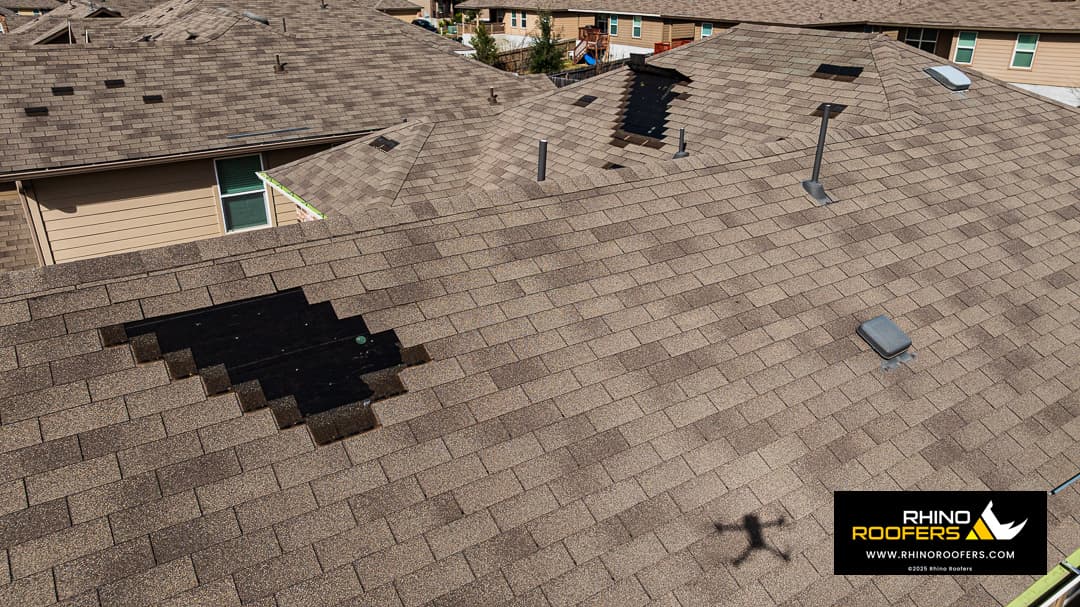
When a roof is completely removed during a replacement project, contractors can inspect the roof deck underneath.
This inspection often reveals issues that cannot be seen from the surface, including:
- Water damage
- Soft or deteriorated decking
- Hidden leaks
- Improper ventilation
- Structural concerns
- Previous repair issues
When a second layer of shingles is installed, these problems remain concealed beneath the new roofing system.
As a result, homeowners may unknowingly invest in a new roof while underlying issues continue to worsen over time.
New Shingles Perform Best on a Clean Surface
Modern shingles are designed to be installed on a flat, stable surface.
When a second layer is installed over existing shingles, the new roofing material must conform to the shape of the old roof beneath it. This can lead to an uneven appearance and may affect how the shingles perform over time.
The result may not be as attractive as a complete roof replacement, and the new shingles may experience additional wear in areas where the surface beneath is irregular.
Heat Can Become a Bigger Issue
Central Texas summers are hard on roofing systems.
When a second layer of shingles is added, heat can become trapped between the two roofing layers. Over time, excessive heat buildup may contribute to accelerated aging of roofing materials.
While modern ventilation systems help reduce attic temperatures, installing new shingles over an existing roof can create conditions that are less than ideal for long-term roofing performance.
Future Repairs and Replacements Become More Complicated
Another consideration is what happens when the roof eventually needs to be replaced again.
If a second layer of shingles has been installed, the next roofing project will typically require the removal and disposal of both roofing layers. This can increase labor requirements and project costs in the future.
In some cases, having multiple roofing layers can also make leak detection and repairs more difficult because moisture may travel between the roofing systems before becoming visible inside the home.
Building Codes May Limit Additional Roofing Layers
Many local building codes restrict the number of roofing layers that can be installed on a structure.
While requirements vary by location, homeowners should understand that adding a second layer today may limit future roofing options or require a complete tear-off during the next replacement project.
An experienced roofing contractor can help determine whether an overlay is even permitted for a particular home and roofing system.
When Is a Full Roof Replacement the Better Choice?
For most homeowners, a complete roof replacement provides the greatest long-term value.
Removing the old roofing system allows contractors to:
- Inspect the roof deck
- Address hidden damage
- Improve ventilation if needed
- Install modern underlayment systems
- Ensure the new roof performs as intended
- Maximize the lifespan of the new roofing materials
A complete replacement provides a fresh start and allows homeowners to address potential issues before they become costly repairs.
Every Budget Is Different
While a full roof replacement is often the preferred solution, every homeowner’s situation is unique.
Budget considerations, roof condition, age of the home, and long-term plans all play a role in determining the right approach. In some situations, targeted roof repairs may provide additional years of service life. In others, a complete replacement may be the most cost-effective option over the long run.
The important thing is understanding all of the available options before making a decision.
Rhino Roofers Can Help You Find the Right Solution
At Rhino Roofers, we believe homeowners deserve honest recommendations based on the condition of their roof, not a one-size-fits-all sales pitch.
Whether your roof needs a repair, partial restoration, or complete replacement, our team can perform a professional inspection and help you understand the advantages and disadvantages of each option. We work with homeowners throughout San Antonio, Austin, Round Rock, New Braunfels, and surrounding Central Texas communities to find roofing solutions that make sense for their goals and budget.
If you’re considering a second layer of shingles or wondering whether it’s time for a repair or replacement, schedule a free roof inspection with Rhino Roofers. We’ll help you evaluate your options and choose a roofing solution that protects your home while staying within your budget.
Tags: residential roofing, roof replacement, roofing contractor