
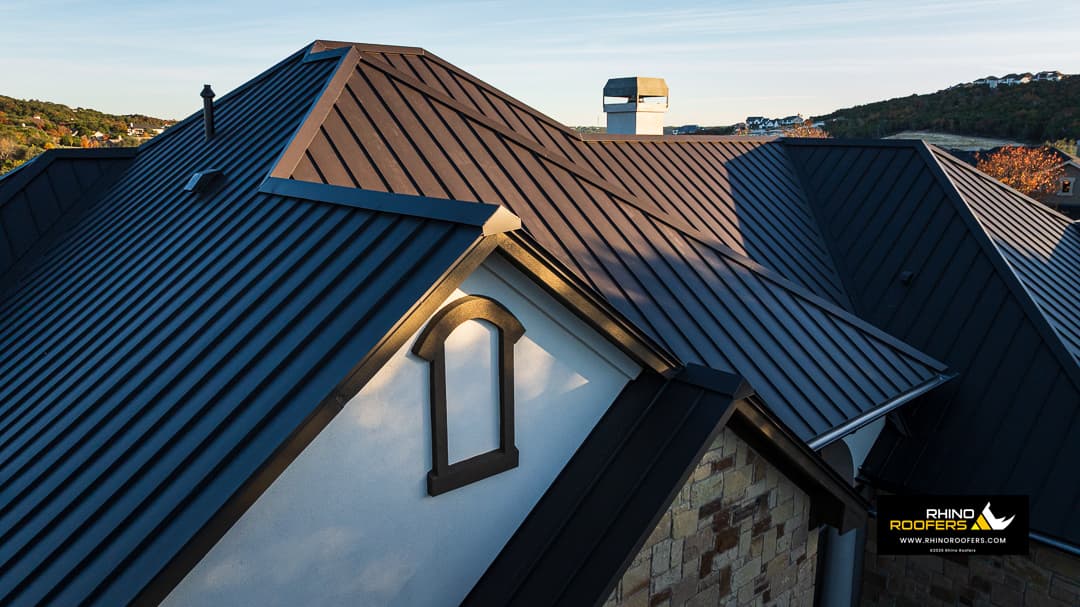
Top‑Rated Roofing Company in San Antonio & Austin
WE BUILD TOUGH ROOFS.
Possibly The Last Roof You’ll Ever Need
- Highest Quality Materials
- Trustworthy Craftsmanship With Attention-to-Detail
- Top-Tier, Comprehensive Warranties
- Top-Rated Roofer With 1,400+ 5-Star Reviews











What is Our Free Roof Inspection FOR San Antonio and AUSTIN, TX?
It is recommended to have roofing inspections every one to two years, but this is often overlooked until a problem arises. Rhino Roofers, a highly-rated and trusted Austin roofing company & San Antonio roofing company, offers a thorough FREE 37-point roof inspection to ensure our customers feel secure. Our inspection covers checking for leaks, external damage, structural integrity, and areas needing preventative maintenance.
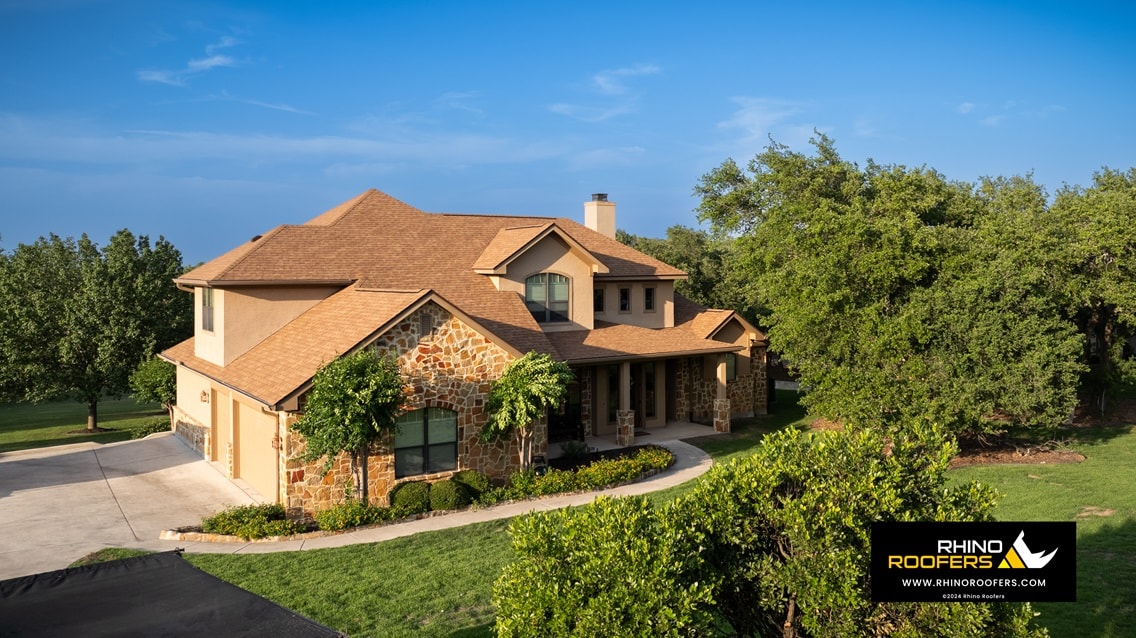
Looking for the Best San Antonio, Austin, & Round Rock Roofing Company? See Why Our Customers Agree
Real 5-Star Reviews from Homeowners Across San Antonio & Austin
2024 DECRA® Project of the Year Winner: Stone-Coated Metal Roofing Excellence
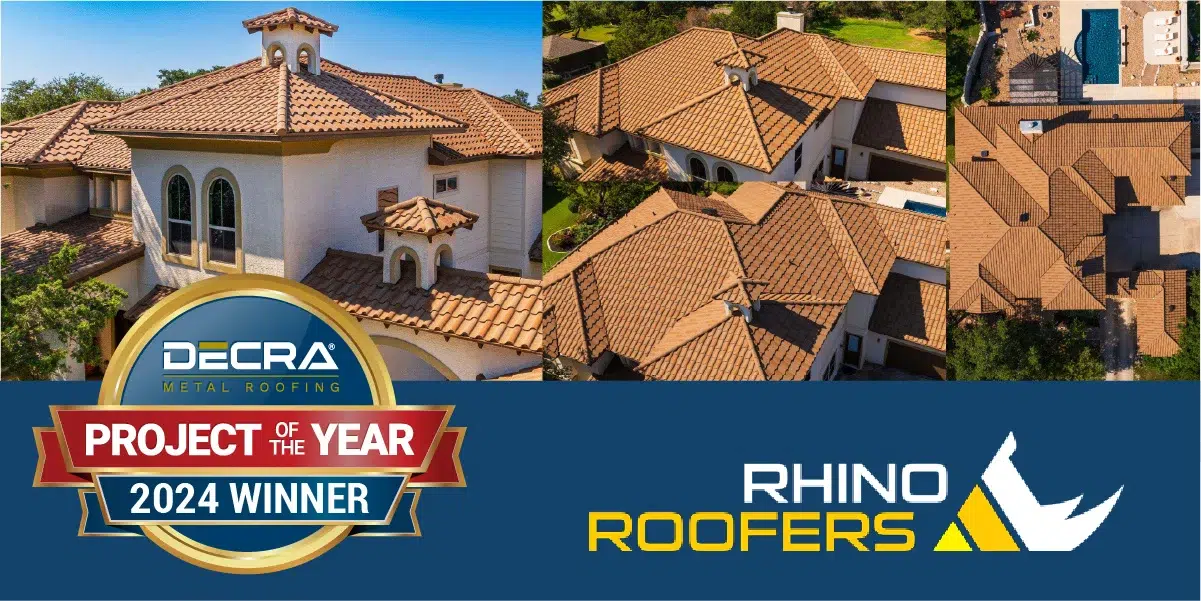
Rhino Roofers is proud to announce that we have been awarded the 2024 DECRA Project of the Year award, earning an incredible 4,646 votes!
This prestigious recognition highlights our dedication to exceptional craftsmanship and innovation in stone-coated metal roofing.
Recognized for Quality Craftsmanship and Superior Roofing Performance
Our award-winning project involved replacing an aging, leaky shingle roof with DECRA Villa Tile in Amalfi Sand. The soft clay tones and rich orange hues of this premium roofing system perfectly complement the home’s Spanish-Mediterranean aesthetic, delivering stunning curb appeal and long-lasting durability and protection.
Rhino Roofers is San Antonio, Austin, and Round Rock’s premier Central Texas roofing contractor, offering top-tier roofing solutions, including stone-coated metal systems. Winning this award is a testament to our commitment to quality, excellence, and customer satisfaction. At Rhino Roofers, we don’t just build roofs—we build tough, beautiful, and lasting solutions for our homeowners. Click here to read more about this prestigious award and Rhino Roofer’s award-winning project.
The Trusted Roofing Contractor for San Antonio, Austin & Round Rock Homes And Businesses
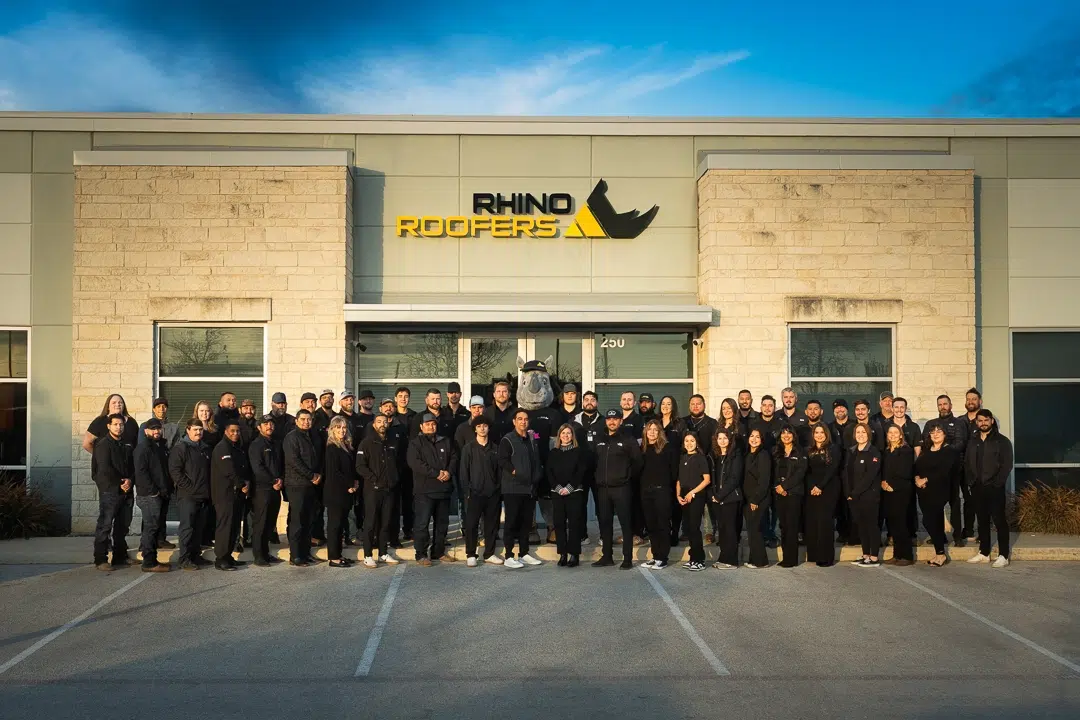
- The Best Customer Service in the Roofing Industry
- 50-Year Product and Lifetime Workmanship Warranties on all roofing systems
- Affordable Financing Options and Military Discounts
Delivering Premium Roof Replacements and Repairs Across Central Texas
Investing in a brand-new roof for your home is highly beneficial. It adds value to your home, enhances curb appeal, and most importantly, provides protection for your family. It’s important to find a reliable roofing company for the installation so that you don’t compromise on quality.
Homeowners often feel stressed when they need to replace their roofs due to poor communication and low-quality work delivered by roofing contractors. We aim to break this trend by offering superior services and communication.
Rhino Roofers is a trusted San Antonio, Austin, & Round Rock roofing company that empowers you to take control of your upcoming roofing project. We don’t just offer excellent roofing services – we also deliver a 5-star customer service experience. Our team of roofing professionals has a total of 130+ years of experience and is prepared to exceed your expectations.
Is it time for a new residential roof? We are ready to get to work! From the beginning to the end of every roofing project, your entire customer experience is our top priority. Contact us today to schedule your easy process and stress-free roofing consultation and experience the Rhino Roofers’ differences.
The Rhino Roofers Process: Seamless Roofing from Start to Finish
Transparent Communication, Detailed Inspections, and Quality Workmanship
1
Assessment
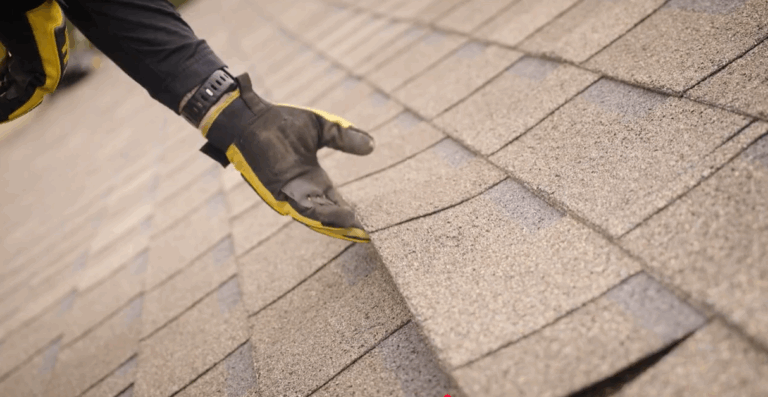
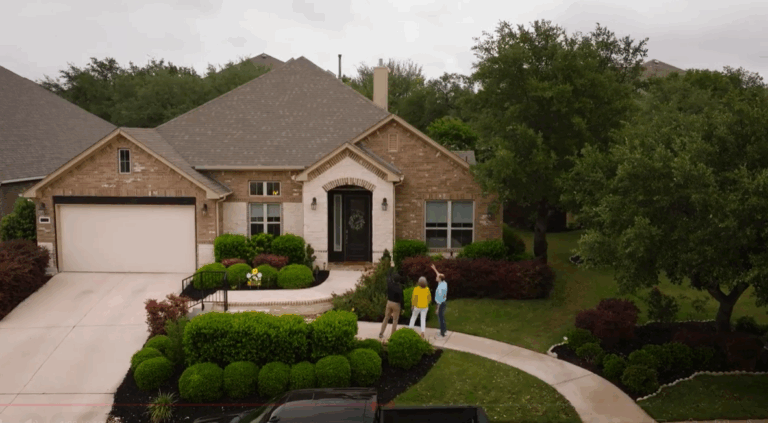
Our roofing expert will listen to your concerns, preferences, and timeline. Afterward, our team will do a free 37-point roofing inspection of your roof. This is to check for damages, leaks, workmanship issues, or end-of-life components.
2
Recommendation
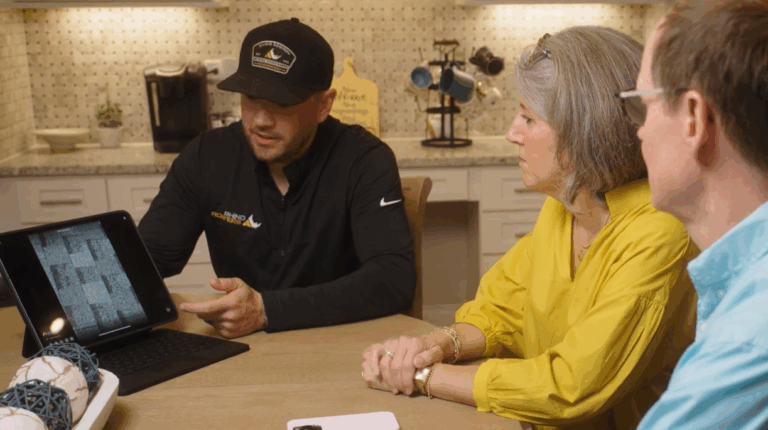
When we fully understand your concerns, preferences, timeline, and your roof’s condition, we will share our findings via photos and video. After that, we’ll make recommendations on any required roof repairs or if a full roof replacement is warranted.
3
Selections
Our experts will work with you to design a perfect roofing solution for a long-lasting, beautiful roof and will work to make it as affordable as possible. You’ll select the type of roof–asphalt shingles, metal, or tile–and additional features such as color, ventilation, gutters, rain chains, rain barrels, and more.
4
Build Day
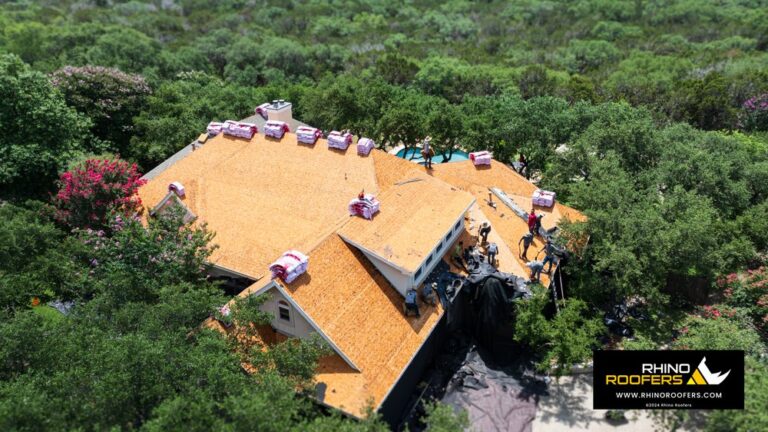
On build day, we will properly protect your home, repair or build your new roof with a focus on attention to detail, and ensure the area around your home is thoroughly cleaned. After the build, we will perform a quality check of the roof and yard to ensure you are completely satisfied.
Providing Reliable Roofing Services in San Antonio, Austin & Round Rock
Residential & Commercial Roofing Solutions Built to Last
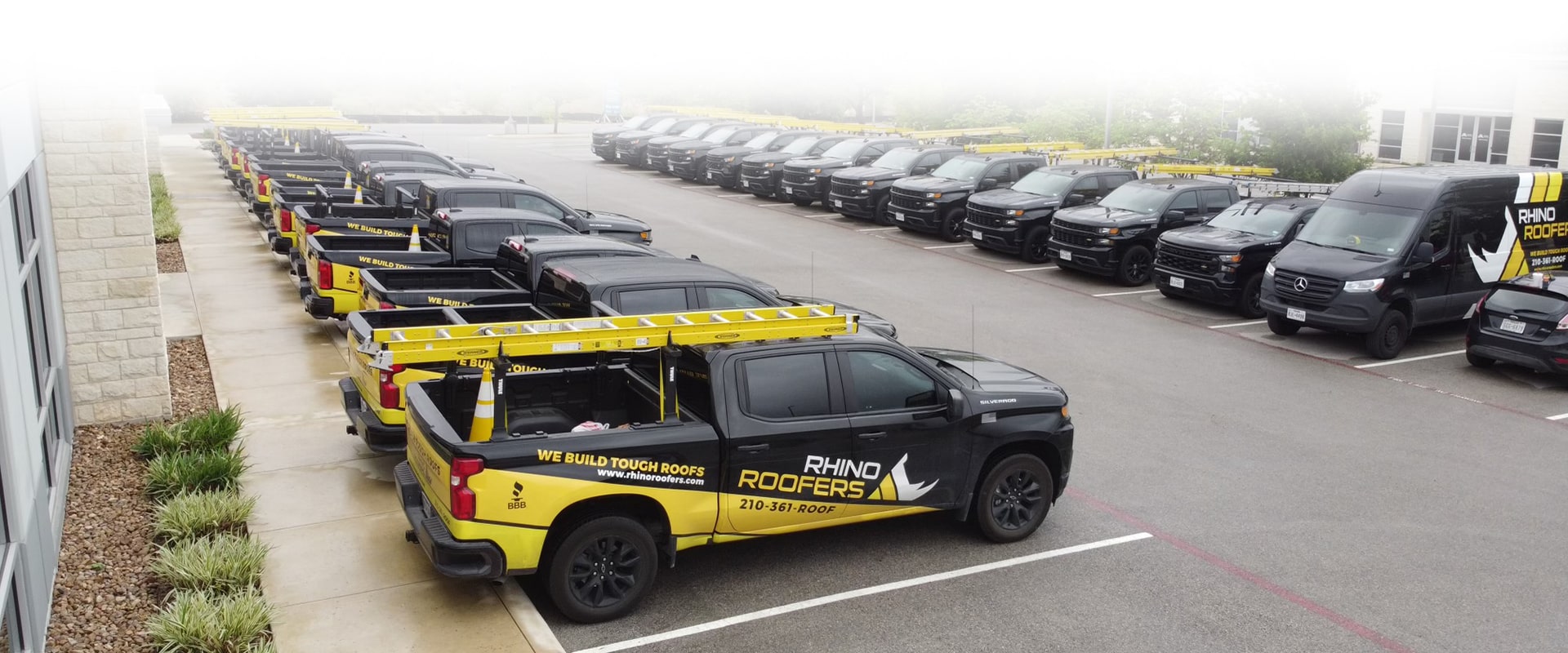
When finding a residential roofing company you can depend on, choosing someone local is the way to go. Rhino Roofers is a local San Antonio, Austin & Round Rock roofing business focused on our community. Our top priority is your entire experience working with us, from the first time you call us to the last step we take off your roof. We take pride in delivering a stress-free roofing experience.
Recent Updates From Our San Antonio & Austin Roofing Team
San Antonio, Austin & Round Rock Roofing FAQs
Answers to Common Roofing Questions for Local Homeowners
HOW LONG DO ROOFS LAST?
The average roof will last anywhere between 15-30 years, depending on the type of material and how well it is maintained. Asphalt shingles are typically the most common residential roofing material and have an lifespan of 20 to 25 years. Clay tile roofs have a life expectancy of 40 to 50 years with proper maintenance. Metal roofs may last 40+ years, but age faster when exposed to sun or windy environments.
Other factors that can reduce a roof’s life include inadequate attic ventilation or insulation, improper installation, hail damage, and animal damage from pets scratching at shingles or chewing away at the deck boards underneath them.
To extend your rooftop’s longevity, it’s important to perform preventive maintenance, such as regularly checking for any missing or damaged shingles, cleaning gutter guard systems, replacing cracked chimney flashings or rusted metal trim around skylights vents and gutters, and eliminating standing water around drain pipes near downspouts which could cause excessive wear over time. All of these tasks help to keep your home safe by avoiding costly repairs due in part by neglect. With regular annual inspections (or semi-annual if you’re located in an area prone to severe weather), you can prolong its lifespan significantly.
WHEN IS IT BETTER TO REPLACE A ROOF THAN REPAIR IT?
When deciding whether to repair or replace a roof, there are several factors to consider. The age and condition of the existing roof will play a major role in the decision making process. Generally speaking, if your roof is more than 20 years old, it is usually better to replace rather than repair it as repairs may only be a temporary fix that won’t last long-term. A good rule of thumb is that any major damage such as holes caused by weathering or bucks from hail can significantly reduce the life expectancy of your existing roof system and therefore should be replaced.
This applies also when you have multiple layers of shingles on your home as having two roofs on top of each other increases moisture retention and reduces ventilation which can lead to accelerated aging and further damage down the road. Additionally, when assessing whether repair vs replacement makes more financial sense, it’s important to factor in costs associated with energy efficiency as well; newer roofs typically offer superior insulation capability resulting in lower heating and cooling bills over time which adds value to your property along with providing better overall climate control for those living inside the building itself.
All these factors must be taken into account when choosing between repair or replacement for an existing roof system but generally speaking if it’s older than 20 years then replacement is often times preferred due its longer lasting performance characteristics versus repairs that might not hold up against future weather conditions.
HOW LONG DOES IT TAKE TO INSTALL A NEW ROOF ON MY HOUSE?
The time needed to install a new roof depends on several variables, such as the size and number of stories in your home, the type of roof being installed (asphalt shingles versus metal roofs), and any special features that may require additional work. On average, most asphalt shingle roofs can be completed in one day if there is only one story. If your house has two stories or a complex roof line with many angles, it might take two days or more depending on roof size. Metal roofs typically take longer to install than asphalt shingles due to their specialized materials and installation requirements; for example, it may involve cutting custom pieces for flashings and valleys.
In addition to the actual installation process itself – which usually takes 1-2 days – other related tasks are involved when replacing a roof like debris removal from attic spaces, re-decking/adding new plywood underlayment over an old existing layer of plywood sheathing, installing ice & water shield around eaves as well as along ridges located below base flashing locations. These are all factors that need to be taken into consideration when estimating how long it will take for you to have a completely installed new roof over your house. For best results, always consult with a reputable, professional local roofer. They will assess your roof’s current condition before giving you a time estimate.
HOW DO I FIND THE BEST ROOFER NEAR ME?
Finding the best roofer near you isn’t necessarily easy, but if you do your research, you can ensure that the quality of work will be top-notch. Start by asking friends and family for recommendations. It’s also a good idea to check online ratings on sites like Yelp or Google for reviews from past customers. Additionally, make sure that any roofer you consider is professional and qualified. Ask them about their experience in the industry, any relevant certifications they may have, and what kind of warranties they offer. Finally, it’s always important to shop around, so don’t settle on a single quote until you’ve explored several different options.
HOW OFTEN SHOULD MY ROOF BE INSPECTED?
The frequency of roof inspections depends on a variety of factors, such as the age and condition of your roof, the type of roof material you have, and your local climate. Generally speaking, an annual inspection is advisable in most cases. However, some roofs may need more frequent inspections – for instance, if you’re experiencing weather damage or other problems. It’s best to consult a professional before determining your exact inspection schedule. A qualified professional will assess the age, condition, and structure of your roofing system and advise accordingly. They can also inspect any ongoing repairs that might be necessary to maintain its long-term integrity and performance – ultimately saving you time, money, and worry.
IS RESIDENTIAL ROOFING DIFFERENT THAN COMMERCIAL ROOFING?
Yes, residential roofing is different than commercial roofing. Commercial roofing generally requires more technical knowledge, engineering expertise, and specialized equipment to properly install due to the scale of the jobs and the level of complexity required. The materials used in commercial roofing can also be more expensive than those found in residential applications, as they need to withstand harsher conditions for longer periods of time, such as intense UV exposure or very high winds.
Additionally, professional installation is a requirement when dealing with commercial roofing systems. This often includes certifications or qualifications that contractors must have in order to even bid on these jobs, which adds another layer to the cost compared to residential jobs, which can sometimes be completed by a homeowner’s own labor if they so choose.
WHAT DO ROOFERS CHARGE PER SQUARE FOOT?
Generally, the average price is between $5.00 and $15.00 per square foot depending on the type of roofing material used, labor costs in your area, roof pitch (flat or sloped), complexity (number of chimneys, skylights and valleys) and regional differences in materials prices.
Most common residential flat roofs cost at least $2 to $3 per square foot more than asphalt shingle roofs because they require a specialized installation process with multiple layers of waterproof membrane material followed by insulation board to protect from water and UV radiation damage over time. This can result in an extra expense ranging from $1-$2 per square foot depending on the material used for protection. For example, poured rubber membranes or modified bitumen sheets need to be professionally installed using a propane torch instead of nails like regular asphalt shingle roofs do.
Also, keep in mind that some regions have higher labor costs associated with skilled trades like roofers. It’s important to look for qualified professionals who are committed to doing quality work within budget constraints as opposed to compromising on quality just for low prices offered by unlicensed contractors who may not have experience dealing with difficult weather conditions during installation process – something which could end up costing much more later down the line if repairs are needed due to poor craftsmanship. Lastly, don’t forget about any applicable permits or inspections required by local building codes before installing your new roof which could also add additional expenses into project cost estimates when evaluated properly beforehand!
Below shows the national averages for roofing materials. Please contact us for a free estimate!
Material & Price
Asphalt shingles: $5 to $9 per sq ft
Tiles reroofs: $2 to $5 per sq ft
Concrete tiles: $3 to $20 per sq ft
Metal roofs: $7 to $18 per sq ft
About Rhino Roofers: The Leading Roofing Company for San Antonio, Austin & Round Rock
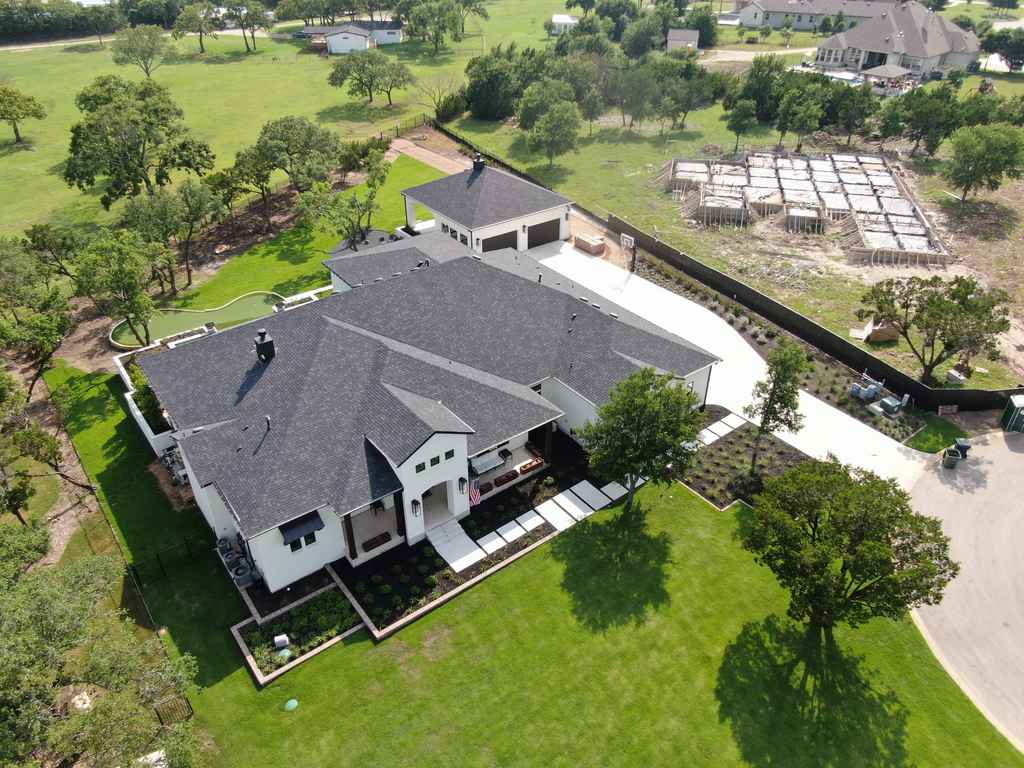
Local Experts Dedicated to Quality, Integrity & 5-Star Service
Every single day, we strive to provide the utmost satisfaction to all of our customers.
At Rhino Roofers, we can assist you in managing your roofing project with our years of experience in the industry. Our service is exceptional and it sets us apart from other roofing companies in San Antonio, as we provide a 5-star, white-glove experience. Our emphasis is on delivering quality products, unmatched workmanship, and excellent customer service to give you peace of mind and confidence in your roof. We prioritize your complete satisfaction above all else.
Replacing roofs can be stressful and confusing for homeowners due to poor communication, follow-through, customer education, cleanliness, and quality of work from some roofing contractors. Fortunately, Rhino Roofers is a San Antonio, Austin & Round Rock roofing company that prioritizes customer service and aims to change the game. From the initial meeting to project completion, we focus on providing top-notch customer service.
Feel free to call us at (210) 361-7663 if you would like to know more about our services for your upcoming roofing project. We look forward to hearing from you.